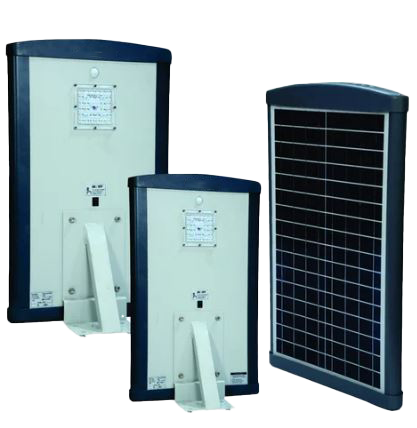
With rising energy costs and a strong push toward sustainability, solar lighting has become a preferred choice for commercial, industrial, and infrastructure projects across India. From corporate campuses and warehouses to highways, smart cities, and public utilities, solar lights offer long-term cost savings and environmental benefits. However, the success of any solar lighting project depends mainly on choosing the proper solar light manufacturer.
For procurement managers, EPC contractors, government bodies, and large enterprises, selecting a reliable supplier is a strategic decision. At Sigma Search Lights Ltd, we understand the critical factors that influence commercial solar lighting procurement. This article explains how to choose the right solar light manufacturers in India for efficient, reliable, and future-ready procurement.
Understand Your Commercial Project Requirements
Before evaluating manufacturers, clearly define your project needs.
Key Considerations:
- Application area (industrial, commercial, infrastructure, or public space)
- Lighting type (solar street lights, security lights, flood lights, or high mast systems)
- Required illumination levels and coverage
- Operating hours and backup requirements
- Compliance with project specifications and tender norms
A manufacturer that understands and supports your exact requirements is more likely to deliver a successful outcome.
Evaluate Manufacturing Capabilities
Not all suppliers offering solar lights are actual manufacturers. For commercial procurement, working directly with a manufacturer provides greater reliability and control.
What to Look For:
- In-house manufacturing or assembly facilities
- Control over design, quality, and production timelines
- Ability to scale for bulk or large-volume orders
- Customisation capabilities based on project needs
Established manufacturers like Sigma Search Lights Ltd ensure consistent quality and dependable supply for commercial projects.
Check Product Quality and Technical Specifications
Solar lighting performance depends on multiple components working together.
Critical Components to Assess:
- Solar panels (efficiency, wattage, and durability)
- Battery type (Li-ion, LiFePO₄, lifespan, and backup hours)
- LED luminaires (lumen output, efficiency, optics)
- Controllers and sensors (smart control, dusk-to-dawn, motion sensing)
- Structural strength and weather resistance
A reliable manufacturer provides detailed technical specifications and testing data for all products.
Verify Compliance and Certifications
For commercial and government procurement, compliance is non-negotiable.
Important Certifications Include:
- ISO quality management standards
- BIS or MNRE compliance (where applicable)
- IP ratings for dust and water protection
- Electrical and safety certifications
Manufacturers who adhere to national and international standards ensure smoother approvals and long-term operational safety.
Assess Experience in Commercial and Infrastructure Projects
Experience matters in large-scale procurement.
Why Experience Is Important:
- Understanding of project execution challenges
- Ability to meet tight timelines
- Familiarity with tender and compliance processes
- Proven performance in real-world conditions
Manufacturers with a substantial commercial and infrastructure portfolio bring valuable expertise to complex projects.
Look for Customisation and Engineering Support
Commercial projects often require customised solar lighting solutions.
Value-Added Capabilities:
- Customised pole heights and mounting options
- Tailored lumen output and beam angles
- Integration with smart city or monitoring systems
- Site-specific lighting design support
Manufacturers offering engineering assistance and customisation help optimise performance and cost-efficiency.
Evaluate After-Sales Support and Warranty
Solar lighting is a long-term investment, making after-sales support critical.
Key Support Factors:
- Clear product warranty terms
- Availability of spare parts
- Technical support and troubleshooting
- Maintenance guidance and documentation
Reliable manufacturers stand behind their products and provide ongoing support throughout the project lifecycle.
Consider Supply Chain and Delivery Capability
For commercial procurement, timely delivery is essential.
What to Check:
- Production capacity and lead times
- PAN India delivery capability
- Logistics coordination for bulk orders
- Consistency in supply for phased projects
A dependable supply chain ensures projects stay on schedule and within budget.
Compare Total Cost of Ownership (TCO)
Lowest price should never be the sole decision factor.
TCO Includes:
- Initial product cost
- Installation and commissioning
- Maintenance and replacement costs
- Energy savings over time
- Product lifespan and reliability
High-quality solar lights from reputable manufacturers deliver better long-term value, even if the upfront cost is higher.
Choose a Manufacturer Committed to Sustainability
Solar lighting projects often align with environmental and CSR goals.
Sustainable Manufacturing Indicators:
- Use of high-efficiency components
- Eco-friendly materials and processes
- Reduced carbon footprint
- Compliance with green building initiatives
Manufacturers focused on sustainability support both operational and environmental objectives.
Conclusion
Choosing the proper solar light manufacturer in India is a critical step in successful commercial procurement. By focusing on manufacturing capability, product quality, compliance, experience, and long-term support, businesses and project authorities can ensure reliable and cost-effective solar lighting solutions.
With proven expertise and a commitment to quality, Sigma Search Lights Ltd stands as a dependable partner for commercial solar lighting procurement across India. Make an informed choice today to achieve energy efficiency, operational reliability, and long-term value.
Leave a Reply